Level Up Montessori - Hayward


Programs:
Infant Care, Toddler, Pre-school & K
Serving:
Castro Valley, San Lorenzo, Union City, San Leandro, Fairview & Cherryland

Child care is a major investment for many families, and the good news is that some parents may qualify for programs that help lower out-of-pocket costs. This guide explains the financial assistance options families may want to explore, including programs accepted by Level Up Montessori, California child care assistance programs, and federal tax benefits that may help reduce the overall cost of care. For the most accurate next steps, families should always confirm current program acceptance and availability with their preferred location. California's subsidy system includes CalWORKs child care stages and the Alternative Payment Program, both of which can help eligible families pay a provider directly through vouchers or agency-administered payments. Families may also be able to reduce costs through the federal Child and Dependent Care Credit and employer-sponsored dependent care benefits.

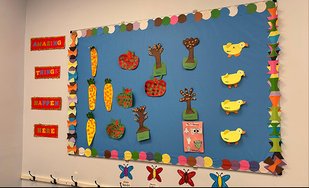
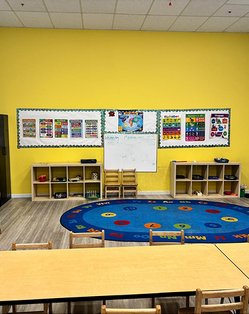
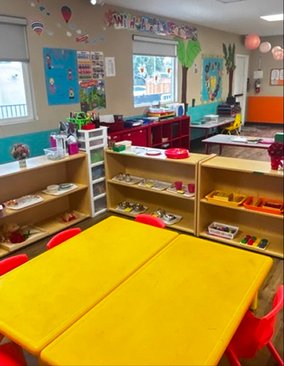

Based on the information you provided, Level Up Montessori accepts subsidized families, offers a sibling discount, and may also run open house or enrollment promotions with tuition discounts at select times. Because the questionnaire did not name one specific subsidy program, the safest wording for the site is to invite families to contact their preferred campus to confirm which assistance programs are currently accepted, whether space is available for subsidized enrollment, and what paperwork may be needed.
Level Up Montessori has indicated that it accepts families who receive child care assistance. In California, many subsidy arrangements are connected to CalWORKs child care stages or the Alternative Payment Program, which can help eligible families pay a provider through vouchers or direct agency payment to the child care provider the family chooses. Families who are not currently receiving CalWORKs cash aid but still need help paying for care are directed by CDSS to contact their local Child Care Resource and Referral agency and/or the Alternative Payment Program in their county for more information. CDSS Subsidized Programs, CDSS CalWORKs Child Care, Find Child Care Resource and Referral
Level Up Montessori offers a sibling discount. This can help lower tuition costs for families enrolling more than one child. Because discounts can vary by location, availability, and enrollment timing, families should contact the school directly for current details.
Level Up Montessori may offer open house or enrollment promotions that include tuition discounts. These promotions may not be available year-round, so families should ask their preferred location whether any current offers apply.
California offers several programs that can help eligible families pay for child care while parents work, participate in welfare-to-work activities, or transition off public assistance. The most common programs families may encounter are the CalWORKs child care stages and the Alternative Payment Program. In many cases, these programs use vouchers or contracted agencies to make payments to the provider selected by the family, which can significantly reduce what parents pay directly. CDSS Subsidized Programs, CDSS Child Care and Development
CalWORKs child care is available to current or former CalWORKs cash aid recipients who need child care so they can work or participate in county-approved Welfare-to-Work activities. CDSS explains that child care is available for children through age 12, and for exceptional-needs or severely disabled children up to age 21. The program is organized into stages: Stage One is administered through county welfare departments when families first enter welfare-to-work, Stage Two is administered through Alternative Payment Program agencies once a family's situation is more stable, and Stage Three serves families who have exhausted the earlier stages and still qualify if funding is available. CDSS CalWORKs Overview, CDSS CalWORKs Child Care Details, CDSS Program Eligibility
California's Alternative Payment Program uses federal and state funding to provide vouchers for eligible low-income families. CDSS says these agencies help families arrange child care services and make payment directly to the child care provider selected by the family. For parents, that can mean more flexibility because the assistance follows the child to an eligible provider rather than requiring a single state-run center. CDSS Subsidized Programs
Eligibility depends on the program, but common factors include household income, the family's need for care, and whether the parent is working, participating in welfare-to-work activities, or otherwise meets program-specific rules. For CalWORKs child care, CDSS specifically ties eligibility to current or former CalWORKs cash aid status plus a need for child care tied to work or approved activities. Stage Three also includes an income test tied to state median income. CDSS Program Eligibility, CDSS Subsidized Programs
Families in California can start by applying for benefits online through BenefitsCal for county-administered programs such as CalWORKs. If a family is not receiving CalWORKs cash aid but still needs help paying for care, CDSS advises contacting the local Child Care Resource and Referral agency and/or the Alternative Payment Program in the family's county. Families should be prepared to provide documents related to income, household size, work or school status, and any program-specific eligibility requirements. BenefitsCal, BenefitsCal Information, Find Child Care Resource and Referral, R&R Directory, CDSS Subsidized Programs
In addition to subsidies, many families qualify for federal tax credits that can significantly reduce the overall cost of child care. These credits are claimed when filing your taxes and are not administered through the daycare.
This credit allows families to claim a percentage of qualifying child care expenses each year. IRS - Child & Dependent Care Tax Credit Page
Eligible families may claim a credit for each qualifying child, depending on income and filing status. IRS - Child Tax Credit Page
The EITC helps low- to moderate-income working families reduce taxes owed or receive a refund. IRS - Earned Income Tax Credit (EITC)
Some employers offer a Dependent Care FSA, allowing families to set aside pre-tax income for child care expenses. IRS - About Form 2441 (Child and Dependent Care Expenses)

Contact your preferred Level Up Montessori location to ask about accepted subsidies, discounts, and current availability.
Schedule TourLevel Up Montessori serves families across the Bay Area with five convenient locations. Explore each campus below to find the best fit for your family.
Programs:
Infant Care, Toddler, Pre-school & K
Serving:
Castro Valley, San Lorenzo, Union City, San Leandro, Fairview & Cherryland
Programs:
Toddler Program & Preschool
Serving:
North San Jose, Berryessa, Warm Springs & Fremont
Programs:
Toddler, Pre-school, Pre-K & Day Care
Serving:
Fremont, Union City & Newark
Programs:
Toddler, Pre-school, Pre-K & After-School
Programs:
Toddler, Pre-school, Pre-K & Day Care
Serving:
Cupertino, Los Gatos, Campbell, West San Jose & Monte Sereno